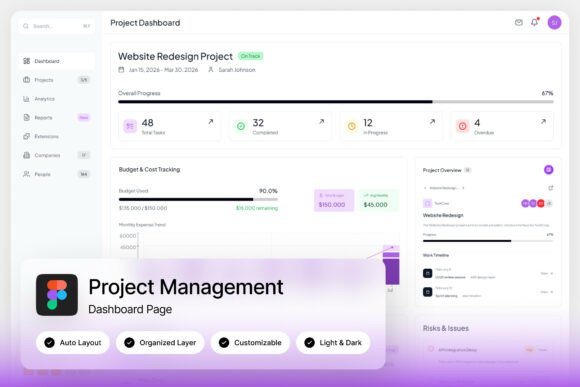
Streamline Your Workflow with Prolytic Project Management Dashboard
Juggling multiple projects, deadlines, and team communications can feel like trying to conduct an orchestra without a score. You know the goals, you have the talent, but without a clear, centralized view of the entire operation, things can quickly descend into chaos. This is the exact problem that a thoughtfully designed system aims to solve. Imagine a single command center where every task, milestone, and team member's contribution is visible at a glance, transforming scattered efforts into a synchronized symphony of productivity. That's the core promise of a tool like the Prolytic Project Management Dashboard, and it's a game-changer for anyone serious about bringing order to their creative or business projects.
A Visual Command Center for Clarity
What immediately sets this kind of system apart is its commitment to visual clarity and modern design principles. The interface, available in both light and dark modes, isn't just about looking sleek—it's about reducing cognitive load. When your dashboard is logically organized with well-named and grouped layers, you spend less time hunting for information and more time acting on it. Think of it as the difference between a cluttered desk and a meticulously organized workshop. Every tool has its place, and the layout guides your eye naturally to what's most important, whether that's an approaching deadline, a project's progress bar, or a team member's current task. This pixel-perfect approach to UI components ensures that the dashboard feels intuitive, not intimidating, making it a powerful asset for designers, project managers, and entrepreneurs alike.
From Concept to Execution: Practical Applications
The true value of any design asset lies in its application. A project management dashboard template like this is far more than a pretty mockup; it's a foundational tool for building better systems. For a small business owner, it can become the central hub for launching a new product, tracking everything from packaging design approvals to social media campaign schedules. A content creator can use it to plan an editorial calendar, manage blog post drafts, and coordinate with freelancers, ensuring a consistent brand voice across all platforms. The organized layouts are perfect for mapping out complex workflows, like the stages of a marketing funnel or the steps involved in creating a series of digital products. By providing a clear overview, it helps maintain visual consistency and professional presentation across every touchpoint of a project, which is crucial for building strong brand recognition and audience trust.
Enhancing Your Brand's Visual Language
While a dashboard is a functional tool, its design language can subtly influence your entire brand's aesthetic. The modern, professional UI components serve as a masterclass in clean, effective design. Observing how information is hierarchized—using typography, spacing, and color—can inspire better decisions for your own projects. For instance, the way the dashboard uses a premium font for headings and a highly readable sans-serif for body text can inform your choices for web design, social media graphics, or even packaging. It’s a practical lesson in font pairing and readability that you can absorb simply by using the system. The design principles embedded in the template—balance, alignment, contrast—directly translate to creating more compelling logos, engaging editorial layouts, and professional marketing assets that capture attention.
Building a More Productive Creative Process
Productivity isn't just about doing more; it's about doing the right things efficiently. A well-structured dashboard acts as a filter, highlighting priorities and preventing important details from slipping through the cracks. For a creative entrepreneur managing client work, this means having a clear view of all active projects, deadlines, and deliverables. This transparency fosters better team collaboration, as everyone understands their role and the project's status. It reduces the need for constant status-update meetings and lengthy email threads, freeing up mental space for the deep, focused work that truly moves a project forward. The ability to customize the layout easily means you can tailor the view to your specific workflow, whether you're managing a product launch, a website redesign, or a series of video productions.
Ultimately, adopting a system like the Prolytic Project Management Dashboard is about investing in your own operational foundation. It provides the structure that allows creativity and strategy to flourish without being bogged down by disorganization. The included Figma file and help guide make it accessible to implement, allowing you to quickly adapt it to your unique needs. By bringing all your project elements into one coherent, visually appealing interface, you gain not just control, but also the confidence to take on more ambitious work. It transforms project management from a necessary chore into a streamlined, even inspiring, part of your creative or business process, paving the way for greater consistency, recognition, and engagement in everything you do.