Listen Learn Grow: Crafting Visual Stories That Connect
Every designer, entrepreneur, and content creator hits that moment where a project needs more than just words—it needs personality. You're building a brand, designing a product, or creating content, and the typography you choose becomes the silent ambassador of your message. That's where thoughtful, well-crafted fonts enter the picture, and understanding how to use them effectively can transform good work into memorable work.
A Typeface Built for Modern Storytelling
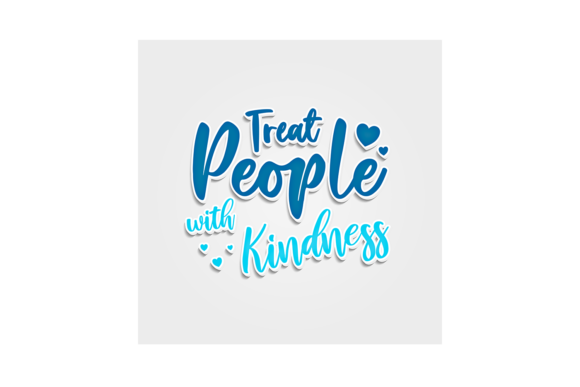
Listen Learn Grow isn't just another font collection sitting in your design toolkit. It's a carefully curated typeface designed to bridge the gap between professional polish and genuine human warmth. The visual character strikes a balance that many fonts miss—it feels contemporary without being cold, approachable without sacrificing sophistication. This makes it particularly valuable for anyone working on projects where trust and connection matter as much as aesthetics.
What sets this font apart visually is its attention to letterform harmony. The curves flow naturally, the spacing feels intuitive, and the overall rhythm creates text blocks that are genuinely pleasant to read. Whether you're setting a headline for a poster or body copy for a brochure, the typeface maintains its clarity and character across different sizes and applications. That kind of versatility is harder to find than most people realize.
Where This Font Truly Shines
Think about the last brand that caught your eye. Chances are, the typography played a bigger role than you consciously noticed. A premium font like this one works beautifully across a spectrum of creative applications, and understanding where it fits best helps you maximize its potential.
For logo design, the clean letterforms provide a strong foundation that can be customized or left as-is depending on the brand's personality. The font carries enough visual weight to anchor a mark while remaining flexible enough to pair with icons, monograms, or other graphic elements. Small business owners building their first brand identity often find that starting with a quality typeface saves countless hours of second-guessing.
Packaging design is another area where this typeface excels. Product labels, box designs, and retail packaging demand fonts that communicate quickly and clearly at various distances. The letter spacing and stroke consistency here make it reliable for both large display text and smaller informational copy. Whether you're designing artisanal food packaging or tech product boxes, the font adapts to the context without losing its voice.
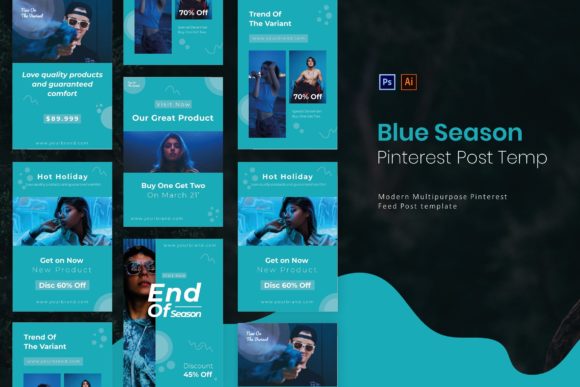
Social media managers and content creators will appreciate how well this font translates to digital graphics. Instagram posts, Pinterest pins, Facebook banners, and YouTube thumbnails all benefit from typography that reads clearly at different screen sizes. The modern letterforms photograph well and maintain legibility even when compressed by social media algorithms—a practical concern that many font designers overlook.
For editorial design and blogs, the font brings a polished, magazine-quality feel to layouts. Blog headers, pull quotes, section titles, and featured image overlays all gain visual sophistication. Writers and bloggers who want their sites to feel professionally designed without hiring a full-time graphic designer will find this particularly useful.
Print applications round out the versatility. Business cards, flyers, posters, wedding invitations, event programs—these physical touchpoints still matter enormously in building relationships and credibility. A font that reproduces cleanly across different printing methods and paper stocks is worth its weight in design assets.
Building Visual Consistency Across Every Touchpoint
One of the most overlooked aspects of professional design is consistency. Your audience encounters your brand across dozens of platforms and materials, and every interaction either reinforces or dilutes their perception. Using a cohesive typeface across your website, social media, email templates, printed materials, and product packaging creates a unified visual language that builds recognition over time.
This is where having a font with multiple styles and weights becomes invaluable. Rather than mixing five different typefaces and hoping they play nicely together, you can establish your entire typographic hierarchy from a single family. Headlines, subheadings, body text, captions, and call-to-action buttons can all draw from the same visual DNA while maintaining clear differentiation through weight, size, and spacing.
Brand recognition doesn't happen overnight, but consistent typography accelerates the process. When someone sees your Instagram post and then visits your website, the visual continuity signals professionalism and intentionality. That subtle signal builds trust, and trust drives engagement, sales, and loyalty.
Practical Tips for Getting the Most From Your Typography
Choosing the right font style for your project starts with understanding your audience and goals. A handwritten or script font might feel perfect for a boutique bakery's social media, but it would undermine a financial consultant's credibility. Consider the emotional tone you want to set—warm and personal, sleek and modern, bold and authoritative—and select accordingly.
Font pairing is where many designers struggle, even experienced ones. A general rule that works well: pair a display or headline font with something more neutral for body text. If you're using a bolder style from a font family for your headers, consider using a lighter weight or complementary style for paragraphs. The contrast creates visual interest while maintaining cohesion. Test your pairings at actual sizes on actual screens and paper—what looks elegant at 72 points on your monitor might become illegible at 12 points on a printed label.
Readability should always be your north star. Beautiful typography that people can't actually read defeats its own purpose. Pay attention to line height, letter spacing, and contrast against backgrounds. Dark text on light backgrounds remains the gold standard for extended reading, while reversed-out text works best for short headlines and accent elements.
Before committing to any font for a major project, test it in context. Set your actual copy, not just the alphabet. View it on different devices. Print a sample. Ask someone unfamiliar with the project to read it and share their first impression. These simple steps catch problems that are easy to miss when you're deep in the creative process.
What You're Working With
The package delivers exactly what you need to get started immediately. The PSD file gives you full editing capability within Adobe Photoshop, complete with organized layers that make customization straightforward. Smart Object replacement means you can swap in your own text, colors, and design elements without rebuilding the layout from scratch—a massive time-saver when you're iterating on concepts or adapting designs for different clients or campaigns.
At 3000×3000 pixels, the resolution handles both digital and print applications comfortably. Social media graphics, website hero images, printed posters, and merchandise designs all benefit from this level of detail. The preview JPG lets you quickly assess the design before diving into editing, and the included Read Me file points you directly to the font source so you can install it and start working without hunting across the internet.
For anyone building a brand identity, creating marketing materials, or producing content at scale, having organized, editable design assets isn't a luxury—it's a necessity. The structured layer system means you can efficiently modify elements, maintain version control, and hand off files to collaborators or clients without confusion. That organizational clarity translates directly into faster turnaround times and fewer revision headaches.
Whether you're a solo entrepreneur designing your own materials, a freelancer building assets for clients, or a content creator maintaining a consistent visual presence across platforms, having reliable, well-structured design resources makes the entire creative process smoother. The goal is always the same: create something that communicates clearly, looks professional, and connects with the people you're trying to reach. Thoughtful typography is one of the most powerful tools you have to make that happen.